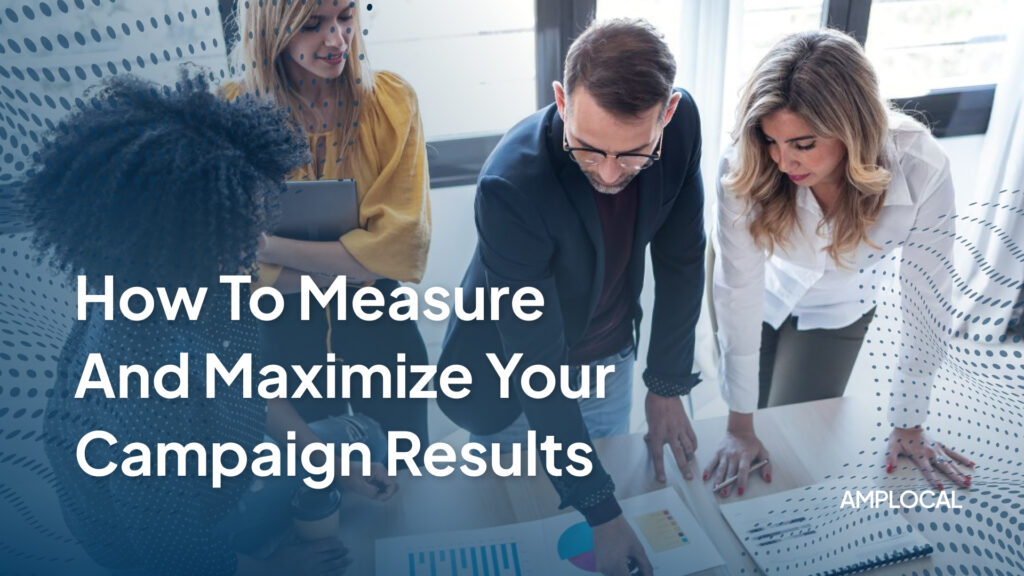
For businesses in Medford, Oregon, and throughout the Rogue Valley, influencer marketing has emerged as a powerful strategy for reaching new audiences and driving sales. However, measuring the return on investment for influencer marketing campaigns remains a challenge for many small business owners. This guide provides practical frameworks for tracking influencer marketing performance and maximizing campaign results through strategic planning and optimization.
Understanding Influencer Marketing ROI Fundamentals
Influencer marketing ROI calculation requires tracking both direct and indirect campaign benefits against total investment costs. Direct benefits include immediate sales, leads, and conversions attributable to specific campaigns, while indirect benefits encompass brand awareness, audience growth, and long-term customer acquisition. For businesses throughout Southern Oregon, understanding both metrics provides complete campaign performance pictures.
Traditional ROI calculations for influencer marketing involve dividing campaign revenue by total costs, but this approach often undervalues longer-term brand building benefits. Effective measurement requires establishing baseline metrics before campaigns launch and tracking changes across multiple indicators including sales, engagement, brand mentions, and audience growth.
The unique nature of influencer marketing creates attribution challenges that complicate ROI measurement. Customers often discover brands through influencer content but convert through different channels days or weeks later. This extended customer journey requires sophisticated tracking systems that connect influencer touchpoints to eventual conversions.
For businesses in the Rogue Valley, influencer marketing ROI may include benefits beyond immediate sales such as increased local brand recognition, improved search visibility, or enhanced community reputation. These broader benefits contribute significant long-term value that should factor into comprehensive ROI calculations.
Setting Up Measurement Systems
Successful influencer marketing measurement begins with clearly defined objectives that align with business goals. Awareness campaigns require different metrics than conversion-focused efforts, making goal clarity essential for appropriate measurement systems. For Medford businesses, objectives might include increasing local brand recognition, driving foot traffic, or generating online sales.
Establish specific, measurable targets for each influencer marketing campaign objective. Rather than vague goals like “increase awareness,” set quantifiable targets such as “achieve 10,000 impressions among target demographics” or “generate 50 new email subscribers.” These specific targets enable accurate ROI assessment and campaign optimization.
Create measurement hierarchies that distinguish primary objectives from secondary benefits. While increased sales might be your main goal, improved brand sentiment or expanded social media following provide additional value that should be tracked and valued appropriately in ROI calculations.
Document baseline performance across all relevant metrics before launching influencer marketing campaigns. Understanding pre-campaign performance levels enables accurate measurement of campaign impact and prevents attribution of organic growth to paid influencer efforts.
Tracking Implementation
Implement unique tracking codes, discount codes, or landing pages for each influencer marketing partnership to enable direct attribution. These dedicated tracking mechanisms provide clear connections between specific influencers and resulting conversions, simplifying ROI calculations significantly.
Use UTM parameters in all influencer-shared links to track traffic sources and campaign performance in Google Analytics. Proper UTM implementation allows detailed analysis of how different influencers drive website behavior, conversion rates, and customer acquisition for your business.
Set up conversion tracking that extends beyond immediate purchases to include email signups, content downloads, or other valuable actions. Many influencer marketing campaigns generate leads that convert over extended periods, making comprehensive conversion tracking essential for accurate ROI measurement.
Establish social media monitoring systems that track brand mentions, hashtag usage, and engagement metrics across platforms. Third-party tools or platform-native analytics help quantify reach, engagement, and sentiment changes resulting from influencer marketing activities.
Ready to optimize your influencer marketing ROI? Contact our Medford team today.
Key Metrics for Influencer Marketing Success
Track engagement rates across different content types and influencer partnerships to understand what resonates with target audiences. High engagement rates often correlate with better conversion performance, making these metrics valuable predictors of influencer marketing success. For businesses throughout the Rogue Valley, engagement from local audiences may carry extra weight in ROI calculations.
Monitor reach and impression metrics to understand campaign scale and audience exposure. While reach alone doesn’t determine ROI, it provides context for other performance indicators and helps evaluate cost efficiency across different influencer partnerships.
Analyze audience quality through demographic data and engagement patterns to ensure influencer marketing reaches intended target markets. High reach means little if audiences don’t match your customer profiles, making audience analysis essential for meaningful ROI assessment.
Track share rates and user-generated content creation to measure campaign virality and organic amplification. Content that generates significant sharing provides additional reach and credibility beyond paid placements, increasing overall campaign value.
Conversion and Sales Metrics
Monitor direct sales attribution through tracking codes and unique offers to measure immediate influencer marketing ROI. These direct conversions provide the clearest ROI indicators and help identify which influencers drive the most valuable customers for your business.
Track email list growth and lead generation resulting from influencer marketing campaigns. For service businesses in Medford, leads often provide more long-term value than immediate sales, making lead tracking essential for comprehensive ROI evaluation.
Analyze customer lifetime value for customers acquired through influencer marketing to understand long-term campaign benefits. Customers discovered through influencer partnerships may demonstrate different purchasing patterns or loyalty levels than those acquired through other channels.
Monitor website traffic patterns and user behavior from influencer-driven visits. Understanding how influencer traffic engages with your website helps optimize conversion paths and identify content that supports influencer marketing objectives.
Brand Awareness and Sentiment
Measure brand mention increases and sentiment changes during and after influencer marketing campaigns. Improved brand sentiment can drive long-term customer acquisition and loyalty that extends far beyond immediate campaign periods.
Track branded search volume increases that often result from successful influencer marketing efforts. When audiences discover your brand through influencer content, many subsequently search for your business directly, indicating successful awareness building.
Monitor follower growth across your own social media channels during influencer marketing campaigns. Quality follower increases provide ongoing marketing value and indicate successful audience development beyond immediate campaign objectives.
Assess share of voice improvements within your industry or local market. For businesses throughout Southern Oregon, increased market presence and discussion can drive long-term competitive advantages worth significant ROI consideration.
Maximizing Campaign Performance
Choose influencers whose audiences align closely with your target customer demographics and interests. Audience alignment often matters more than follower count for influencer marketing ROI, making thorough audience analysis essential during influencer selection.
Evaluate influencer engagement rates and authenticity indicators to identify partners likely to drive meaningful results. High engagement rates with genuine audience interactions typically produce better ROI than large followings with low engagement levels.
Consider micro-influencers with smaller but highly engaged local audiences for businesses serving specific geographic areas. For Medford companies, local influencers with 1,000-10,000 engaged followers often provide better ROI than larger influencers with dispersed audiences.
Analyze influencer content quality and brand alignment to ensure partnerships enhance rather than dilute your brand image. Influencer marketing ROI includes brand perception impacts that affect long-term customer acquisition and retention.
Content Strategy Development
Collaborate with influencers to create content that balances authentic voice with clear brand messaging. The most effective influencer marketing maintains influencer credibility while communicating key brand benefits to audiences naturally.
Provide influencers with high-quality brand assets, talking points, and campaign guidelines while allowing creative freedom. This balance ensures brand consistency while leveraging influencer expertise in audience engagement.
Plan content timing and frequency to maximize impact without overwhelming audiences. Strategic content scheduling can amplify campaign reach while maintaining engagement levels that drive optimal influencer marketing ROI.
Include clear calls-to-action in influencer content that guide audiences toward desired conversion actions. Well-crafted CTAs significantly improve campaign conversion rates and overall ROI performance.
Visit our local office to discuss your marketing strategy.
Long-Term ROI Optimization
Develop ongoing relationships with high-performing influencers rather than treating partnerships as one-off transactions. Long-term influencer marketing relationships often provide better ROI through reduced negotiation costs, improved content quality, and stronger audience trust.
Create influencer loyalty programs or ambassador arrangements that provide ongoing value for both parties. These relationships often generate consistent content and audience engagement that supports sustained marketing objectives.
Maintain regular communication with influencer partners to ensure continued brand alignment and performance optimization. Strong relationships enable honest feedback and collaborative improvement that enhances campaign effectiveness over time.
Document lessons learned from each influencer marketing campaign to inform future partnership decisions and optimization strategies. This institutional knowledge helps avoid repeating mistakes while scaling successful approaches.
Campaign Optimization
Continuously test different influencer types, content formats, and campaign structures to identify optimal approaches for your specific business and audience. Regular testing ensures influencer marketing strategies evolve based on performance data rather than assumptions.
Adjust campaign budgets and resource allocation based on ROI performance across different influencer partnerships. Concentrating investment in highest-performing relationships typically improves overall campaign efficiency.
Optimize conversion paths and landing pages specifically for influencer-driven traffic to maximize campaign ROI. Tailored user experiences often improve conversion rates compared to generic website experiences.
Implement feedback loops that allow rapid campaign adjustments based on real-time performance data. Agile optimization helps maximize ROI while campaigns are active rather than waiting for post-campaign analysis.
Advanced ROI Measurement Techniques
Implement multi-touch attribution models that account for influencer marketing’s role within broader customer journeys. These sophisticated models provide more accurate ROI calculations by recognizing how influencer touchpoints contribute to eventual conversions alongside other marketing channels.
Use customer surveys and feedback to understand how influencer marketing influences purchasing decisions beyond direct attribution. Qualitative insights often reveal influencer impact that tracking systems miss, providing more complete ROI pictures.
Analyze cross-channel performance to understand how influencer marketing supports other marketing efforts. Synergistic effects between influencer content and other campaigns can significantly increase overall marketing ROI.
Track brand lift studies that measure awareness and perception changes attributable to influencer marketing campaigns. These studies quantify brand building benefits that contribute to long-term ROI but may not appear in immediate conversion tracking.
Conclusion
Measuring and maximizing influencer marketing ROI requires comprehensive tracking systems, clear objectives, and ongoing optimization based on performance data. For businesses in Medford and throughout the Rogue Valley, successful influencer marketing campaigns balance immediate conversion goals with longer-term brand building benefits.
The key to influencer marketing success lies in treating it as an integrated component of broader marketing strategies rather than isolated campaigns. When properly measured and optimized, influencer partnerships can provide sustainable competitive advantages that extend far beyond individual campaign periods.
Remember that influencer marketing ROI includes both quantifiable metrics and qualitative benefits that support long-term business growth. The most successful campaigns optimize for both immediate performance and sustained brand development.
Ready to develop an influencer marketing strategy that delivers measurable results? Our team specializes in helping businesses throughout Southern Oregon create and optimize campaigns that maximize ROI while building lasting brand value. Contact us today to explore how influencer partnerships can drive growth for your business.
Frequently Asked Questions
Q: What’s a good ROI benchmark for influencer marketing campaigns?
A: Most successful influencer marketing campaigns achieve 3:1 to 5:1 ROI, though results vary significantly by industry and campaign objectives. Focus on improvement over time rather than arbitrary benchmarks, as your specific market and goals determine appropriate targets.
Q: How long should I track results after an influencer marketing campaign ends?
A: Track direct conversions for at least 30 days post-campaign, with brand awareness metrics monitored for 60-90 days. Many customers convert weeks after initial exposure, making extended tracking essential for accurate ROI calculation.
Q: Should I work with one large influencer or multiple smaller ones?
A: Multiple micro-influencers often provide better ROI through higher engagement rates and more targeted audiences. For Rogue Valley businesses, local micro-influencers frequently outperform larger influencers with dispersed followings.
Q: How do I handle influencer marketing ROI when sales happen offline?
A: Use unique discount codes, track branded search increases, and implement customer surveys asking about discovery sources. Many local businesses find that phone call tracking and in-store mention tracking help quantify offline conversions from influencer marketing.
Q: What’s the biggest mistake businesses make when measuring influencer marketing ROI?
A: Focusing solely on immediate sales while ignoring brand awareness and long-term customer acquisition benefits. Successful measurement considers both direct conversions and broader marketing impact that supports sustained business growth.