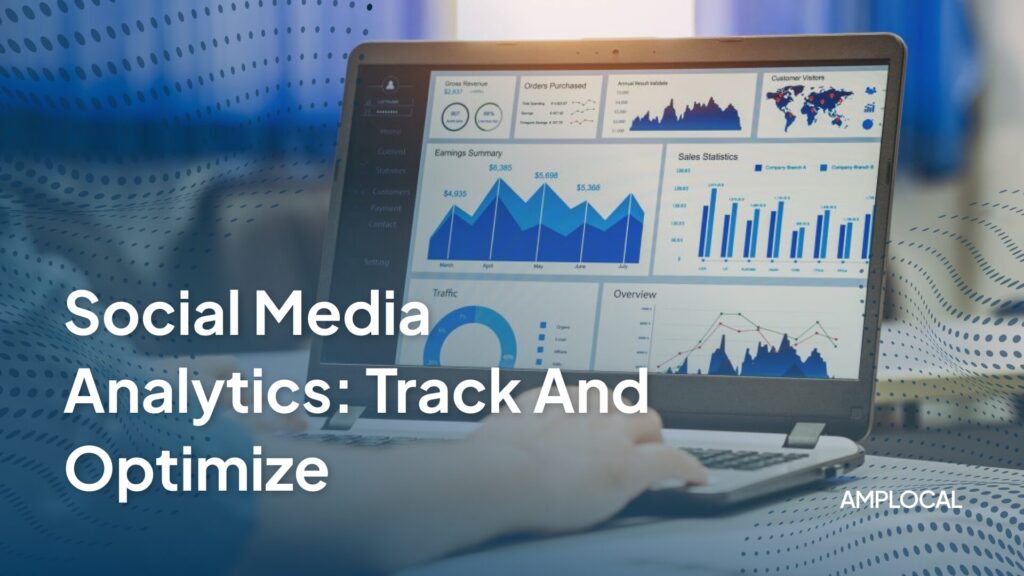
Social media analytics have become essential for businesses in Medford, Oregon looking to maximize their digital marketing ROI. Understanding how your content performs, which audiences engage most, and what drives conversions transforms your social media presence from guesswork into data-driven success. Effective social media analytics provide insights needed to optimize strategy, allocate resources efficiently, and demonstrate real business value.
Without proper social media analytics, you’re marketing blind. You might have followers, but are they the right audience? Posts might receive likes, but do they drive traffic or sales? Social media analytics answer these questions and provide the roadmap for strategic optimization that leads to measurable business growth throughout the Rogue Valley.
Understanding Social Media Analytics Fundamentals
Social media analytics encompass collecting, measuring, and analyzing data from your social activities to understand performance and guide strategy. These metrics go beyond vanity numbers like follower counts to include engagement rates, reach, impressions, click-through rates, and conversion data. Effective social media analytics provide insights into audience behavior, content performance, and campaign effectiveness.
The foundation lies in understanding metrics versus analytics. Metrics are individual data points like likes or shares, while analytics interpret these metrics to reveal trends and actionable insights. Social media analytics transform raw data into strategic intelligence that guides decision-making and optimization efforts across platforms.
Essential Social Media Analytics Metrics
Engagement Metrics
Engagement metrics measure how actively your audience interacts with content through likes, comments, shares, saves, and clicks. Engagement rate, calculated as total engagement divided by reach, provides standardized comparison across posts and time periods. High engagement indicates content resonates with your audience, while declining engagement suggests strategy adjustments needed.
Social media analytics should track engagement trends over time to identify what content types, posting times, and topics generate the most interaction from your Oregon audience. This data guides content calendar planning and creative strategy decisions.
Reach and Conversion Metrics
Reach measures unique people who see your content, while impressions count total displays. These social media analytics help understand content visibility and audience size. Conversion metrics directly tie analytics to business outcomes by tracking website clicks, email signups, purchases, and lead submissions.
Social media analytics for conversions help calculate ROI and determine which platforms drive valuable actions. This data justifies social media budgets and optimizes campaigns for business growth rather than just engagement.
Platform-Specific Social Media Analytics
Facebook and Instagram Analytics
Facebook Insights provides comprehensive social media analytics including page performance, post engagement, and audience demographics. Key metrics include reach, engagement rate, and conversion tracking. Instagram Analytics focus on visual content performance, tracking story completion rates, profile visits, and shopping analytics for e-commerce businesses.
Both platforms offer audience insights including age, gender, location, and interests that inform targeting strategies. Their attribution tools track conversions across devices and time periods for accurate social media analytics measurement.
LinkedIn and Professional Platforms
LinkedIn offers robust social media analytics for B2B marketing, tracking company page performance and lead generation campaigns. Key metrics include follower demographics, post engagement, and sponsored content performance. Professional social media analytics help understand which content resonates with business audiences and drives valuable connections.
LinkedIn’s lead generation forms integrate with CRM systems for seamless conversion tracking, making it valuable for Oregon businesses focused on B2B relationships and professional networking.
Tools for Social Media Analytics
Native Platform Tools
Each platform provides built-in analytics tools offering comprehensive performance data. Facebook Insights, Instagram Analytics, and LinkedIn Analytics provide free, integrated social media analytics specific to each network. While excellent for platform-specific data, they’re limiting for cross-platform analysis.
Native social media analytics work best when combined with third-party tools for comprehensive strategy optimization and reporting across multiple platforms simultaneously.
Third-Party Analytics Solutions
Tools like Hootsuite, Sprout Social, and Buffer provide centralized social media analytics across multiple platforms, making it easier to compare performance and identify trends. These tools include advanced features like competitor analysis, sentiment monitoring, and custom reporting capabilities.
Third-party social media analytics tools offer sophisticated data visualization, automated reporting, and integration with other business systems. They’re valuable for agencies and larger businesses managing multiple accounts across different social platforms.
Optimizing Strategy Based on Analytics
Content Performance Analysis
Regular content analysis through social media analytics reveals patterns about audience preferences. Track which content types, topics, formats, and posting times generate highest engagement and conversions. Let data rather than assumptions guide content strategy decisions for better results.
Social media analytics often reveal surprising insights about audience behavior. Content you expect to perform well might fall flat, while unexpected posts could generate significant engagement and conversions.
Audience Targeting and Campaign Optimization
Social media analytics provide demographic and behavioral data about your audience, helping refine targeting for organic content and paid campaigns. Understanding when audiences are active, what content they prefer, and how they interact enables effective strategy optimization.
For paid campaigns, analytics provide crucial optimization data including cost per click, cost per conversion, and return on ad spend. A/B testing different elements while monitoring social media analytics helps identify effective combinations of targeting, creative, and messaging.
Measuring ROI and Reporting
Create regular reports that translate social media analytics into business language for stakeholders. Focus on metrics that matter to business goals rather than vanity metrics. Include context about industry benchmarks and explain how social media performance contributes to broader objectives.
Calculate social media ROI by comparing activity costs against revenue generated. This requires proper conversion tracking and attribution modeling to understand how social media contributes throughout the customer journey. Effective reporting should be visual, concise, and actionable with specific recommendations based on data.
Implementation and Best Practices
Start with clear goals that align social media analytics with business objectives. Whether increasing brand awareness, generating leads, or driving sales, defined goals guide which metrics to prioritize and how to interpret data for strategic decisions.
Establish regular monitoring schedules for social media analytics review. Weekly tactical adjustments and monthly strategic analysis help optimize performance continuously. Use insights to refine content strategy, posting schedules, and audience targeting for improved results.
Ready to unlock your social media strategy’s full potential through comprehensive analytics? Our team specializes in implementing social media analytics for businesses throughout Oregon. Contact us to discuss how we can help track performance, optimize strategy, and demonstrate real ROI from your efforts. Visit our Medford office to learn more about our analytics services.
Frequently Asked Questions
Q: What are the most important social media analytics metrics to track?
A: Focus on engagement rate, reach, conversion rate, and ROI. Track metrics aligned with business goals rather than vanity metrics like follower count that don’t drive business value.
Q: How often should I review social media analytics?
A: Review social media analytics weekly for tactical adjustments and monthly for strategic insights. This schedule helps optimize performance while identifying long-term trends.
Q: Can social media analytics improve organic reach?
A: Yes, social media analytics reveal optimal posting times, preferred content types, and audience behaviors that help improve organic reach and engagement rates.
Q: What’s the difference between free and paid analytics tools?
A: Free social media analytics provide basic platform metrics, while paid tools offer cross-platform analysis, advanced reporting, and competitor insights for comprehensive optimization.
Q: How do I prove social media ROI using analytics?
A: Track conversions, attribute revenue to social touchpoints, and calculate cost per acquisition. Connect social media analytics to business outcomes like sales and leads.